START BEFORE SYMPTOMS
There is no single age when every woman should begin preparing for perimenopause.
The menopausal transition is highly individual. Some women begin noticing changes in their late 30s or early 40s, while others do not experience obvious symptoms until later.
This is why waiting for a specific birthday is not always helpful.
A better approach is to begin paying attention to changes in your body and lifestyle during your 30s and 40s.
You may notice:
- Different periods
- Sleep changes
- Hot flashes
- Night sweats
- Mood changes
- Brain fog
- Lower energy
- Slower recovery
- Body composition changes
- Changes in appetite
These symptoms do not automatically mean you are in perimenopause, and several can have other causes. If something feels unusual, severe, or persistent, it is important to discuss it with a healthcare provider.
However, you do not need to wait for symptoms before improving your habits.
In fact, creating a strong foundation beforehand can make the transition easier to navigate.
Think about strength training as an example.
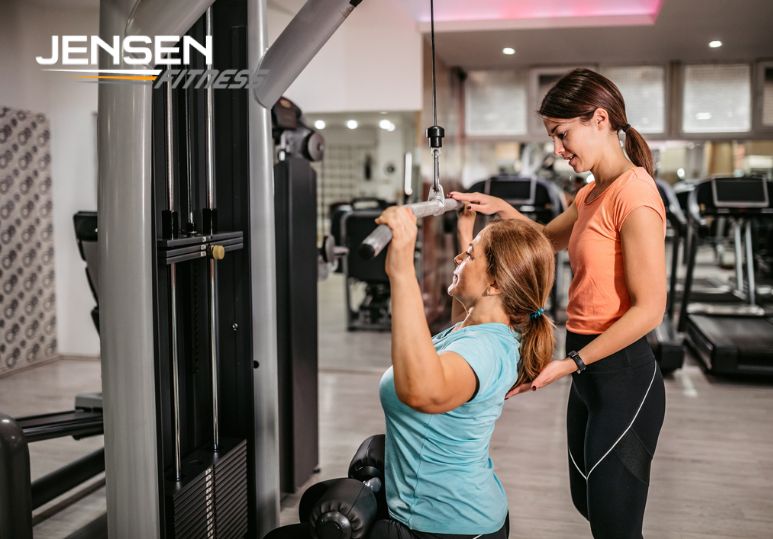
If you begin resistance training before muscle loss becomes noticeable, you are building strength that can support you later. You are also learning proper technique and establishing a routine before hormonal changes, sleep disruption, or lower energy make consistency more difficult.
The same applies to nutrition.
Learning how to build balanced meals, include enough protein, plan ahead, and recognize hunger patterns can make it easier to adjust when appetite or body composition begins to change.
Sleep habits are another area worth addressing early.
Many women do not think about sleep until they are already struggling with nighttime waking or night sweats.
Creating consistent sleep and wake times, managing late caffeine, developing a calming evening routine, and making your bedroom comfortable can all become useful habits before sleep begins to feel unpredictable.
Preparation does not need to be dramatic.
You do not need a special diet, complicated supplement routine, or extreme fitness plan.
Start with fundamentals that support health at any age.
BUILD STRENGTH EARLY
One of the most valuable things you can do before or during perimenopause is prioritize muscle.
Muscle supports much more than appearance.
It contributes to strength, mobility, balance, physical function, metabolism, and independence.
As women get older, maintaining muscle becomes increasingly important, especially when activity levels decrease or resistance training is absent.
This is why strength training should not be something you save for later.
A beginner does not need to spend hours lifting heavy weights.
A realistic program might include two to four strength sessions each week depending on your experience, schedule, and recovery.
Exercises may include:
- Squats
- Lunges
- Rows
- Presses
- Hinges
- Carries
- Core work
The most important part is progression.
Your body needs a reason to adapt.
Over time, you can gradually increase weight, improve technique, complete additional repetitions, or move through more challenging variations.
Cardiovascular activity still matters.
Walking, cycling, swimming, and other activities can support heart health, endurance, stress management, and daily movement.
The mistake is assuming cardio should replace strength training.
A balanced routine usually includes both.
Nutrition should support your training as well.
Protein becomes especially important when the goal is maintaining or building muscle.
Useful protein sources include:
- Eggs
- Greek yogurt
- Chicken
- Fish
- Cottage cheese
- Lean beef
- Tofu
- Beans
- Lentils
Try spreading protein throughout the day rather than relying on one large serving at dinner.
Fibre-rich carbohydrates, fruits, vegetables, and healthy fats also contribute to balanced meals.
Carbohydrates do not need to disappear simply because you are approaching perimenopause.
They can provide valuable energy for workouts and everyday activity.
Foods such as oats, potatoes, rice, quinoa, whole grains, beans, and fruit can all be included in a healthy eating pattern.
Hydration matters too.
Building a habit of drinking water consistently is simple, but it can become especially useful if hot flashes or night sweats later increase fluid loss or discomfort.
The goal is to create habits now that remain useful when your needs change.
PREPARE FOR CHANGE
Preparing for perimenopause is not about trying to control every hormone or prevent every symptom.
It is about becoming more adaptable.
One of the hardest parts of perimenopause can be realizing that your body does not respond exactly as it did years ago.
Sleep may become less predictable.
Recovery can take longer.
Energy may fluctuate.
Weight management can require more consistency.
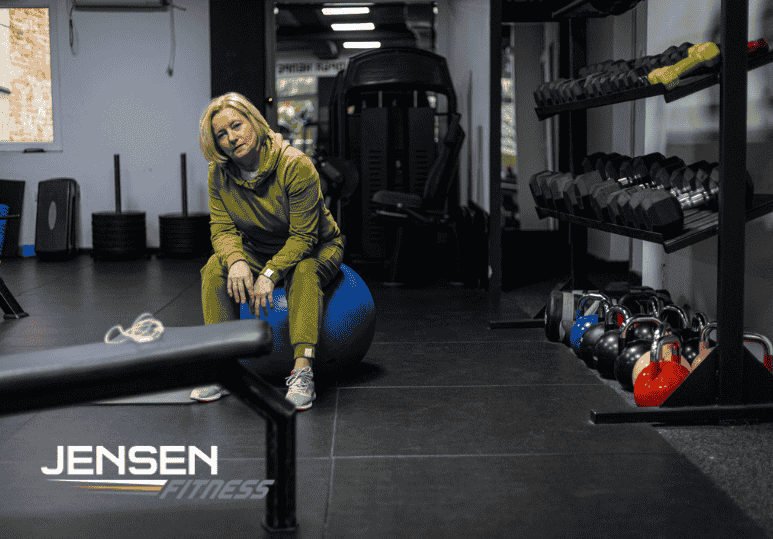
Your normal workout routine may occasionally feel too intense.
If your expectations remain completely rigid, these changes can feel like failure.
A flexible approach works better.
For example, imagine you normally complete three strength workouts each week.
During a week when sleep has been particularly poor, you might shorten one workout or replace it with a walk.
That does not mean you have stopped being consistent.
You adapted.
The same idea applies to nutrition.
You do not need every meal to be perfect.
Instead, build a reliable structure that you can return to.
A simple meal might include:
- Protein
- Vegetables or fruit
- Fibre-rich carbohydrates
- Healthy fats
When life becomes busy, having easy options available can prevent you from feeling like your only choices are perfect meal preparation or giving up completely.
Stress management also deserves attention before symptoms become overwhelming.
Midlife can bring significant demands from work, family, relationships, and caregiving.
Learning how to create small recovery habits now may make them easier to rely on later.
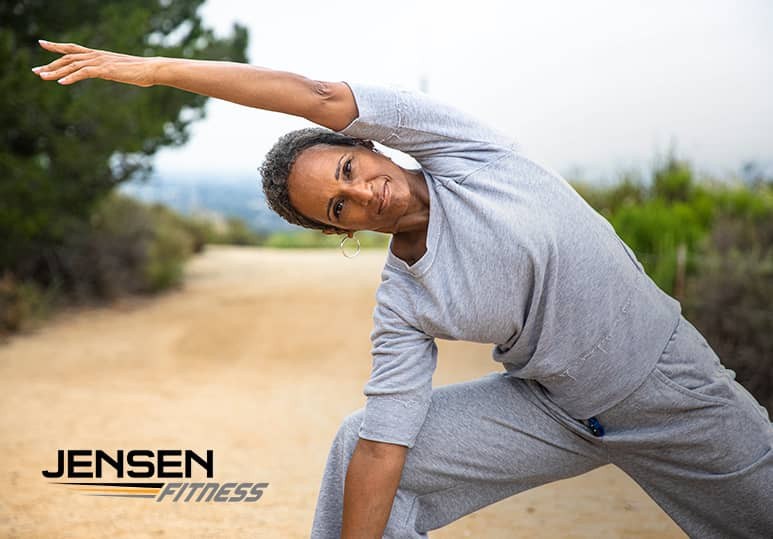
That could include walking outdoors, stretching, journaling, quiet time, breathing exercises, taking breaks, or simply protecting more time for sleep.
Tracking changes can also be useful.
You might pay attention to your menstrual cycle, sleep quality, hot flashes, mood, energy, workouts, and recovery.
Patterns can help you better understand what is changing and give you more useful information to discuss with your healthcare provider if needed.
This is also where coaching can provide valuable structure.
You do not need to wait until symptoms become severe before asking for support.
At Jensen Fitness, we help women build realistic routines around strength training, nutrition, movement, recovery, and healthy weight management before and during perimenopause.
The goal is to create habits that are strong enough to support you but flexible enough to change with you.
Preparing early may also help you avoid the panic that sometimes comes when your body starts feeling different.
Instead of immediately turning to restrictive diets or excessive exercise, you already have a foundation.
You understand the importance of strength.
You know how to build balanced meals.
You have routines around movement and recovery.
You know that one bad night or one difficult week does not erase your progress.
Perimenopause is a natural transition, but that does not mean you need to enter it without preparation.
You cannot choose exactly when hormonal changes will begin.
You can choose how you support your body beforehand.
Start building strength.
Prioritize protein and balanced nutrition.
Stay active.
Take sleep seriously.
Create realistic ways to manage stress.
And build routines you can maintain even when life becomes unpredictable.
At Jensen Fitness, we help women prepare for perimenopause with sustainable strategies that support strength, energy, confidence, and long-term health. You do not need to wait until symptoms become disruptive to begin taking care of the body you will rely on for decades to come.