STARTING WITH YOUR CURRENT ROUTINE
A personalized wellness plan begins by understanding where you are now.
Before making changes, a coach needs to know what your current routine actually looks like.
That includes more than simply asking how often you exercise.
Your coach may look at:
- Current workouts
- Daily movement
- Meal patterns
- Protein intake
- Sleep quality
- Stress levels
- Energy
- Recovery
- Symptoms
- Schedule
- Goals
This creates a much clearer picture of what may be helping and what may be making progress harder.
For example, two women may both want to lose weight during perimenopause, but the best approach for each could be completely different.
One may already be exercising five days a week but not recovering well.
Another may be eating relatively balanced meals but sitting most of the day.
One may struggle with poor sleep.
Another may be skipping meals and overeating later.
The goal is not to immediately add more rules.
It is to identify the areas where small changes could make the biggest difference.
A coach may also ask about your history with dieting and exercise.
This matters because many women enter perimenopause after years of trying restrictive diets, long cardio sessions, or all-or-nothing fitness plans.
If those approaches have repeatedly led to burnout, the new plan should not simply recreate the same cycle.
Your current symptoms also matter.
You may be dealing with:
- Hot flashes
- Night sweats
- Brain fog
- Low energy
- Mood changes
- Sleep disruption
- Changes in appetite
- Slower recovery
- Body composition changes
A personalized plan should consider how those symptoms affect your ability to train, eat consistently, and recover.
For example, someone struggling with significant sleep disruption may not benefit from adding several high-intensity workouts.
A more realistic approach may focus on strength training, walking, meal structure, and recovery first.
This is why personalization matters.
The plan needs to match the person, not simply the goal.
BUILDING YOUR FITNESS AND NUTRITION PLAN
Once the starting point is clear, the next step is building a routine around your priorities.
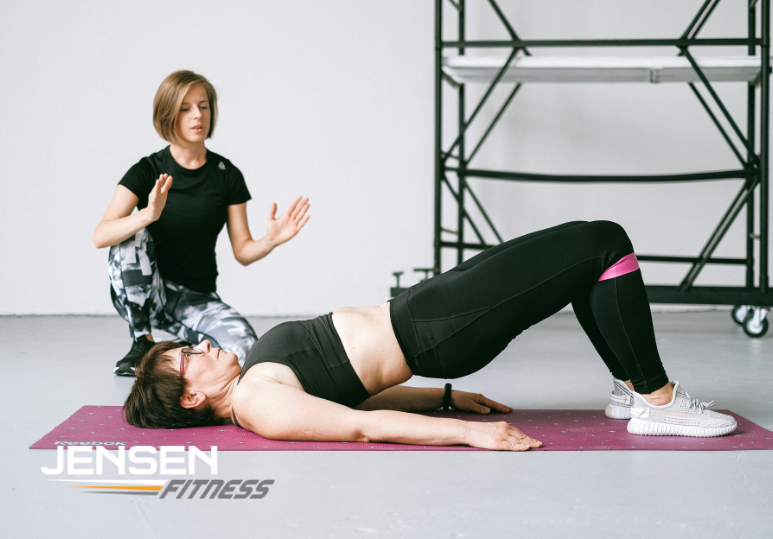
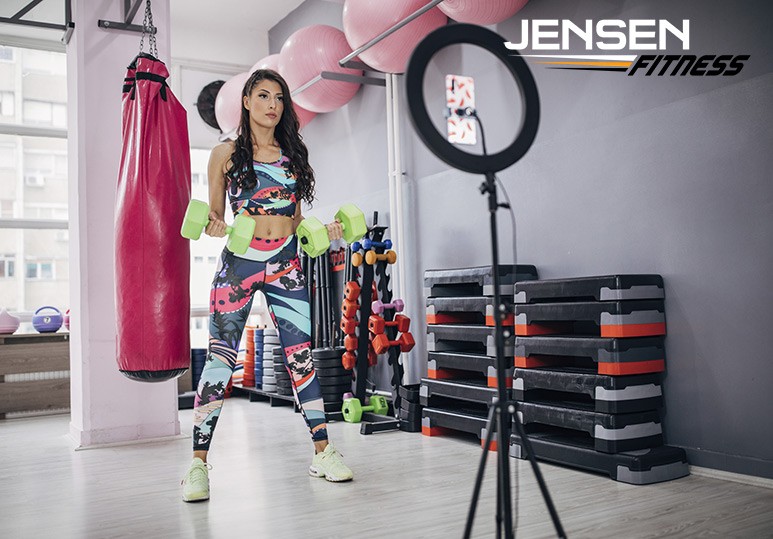
Strength training is often an important part of a perimenopause wellness plan.
Maintaining muscle becomes increasingly valuable as women move through midlife. Muscle supports strength, mobility, body composition, metabolism, and long-term physical function.
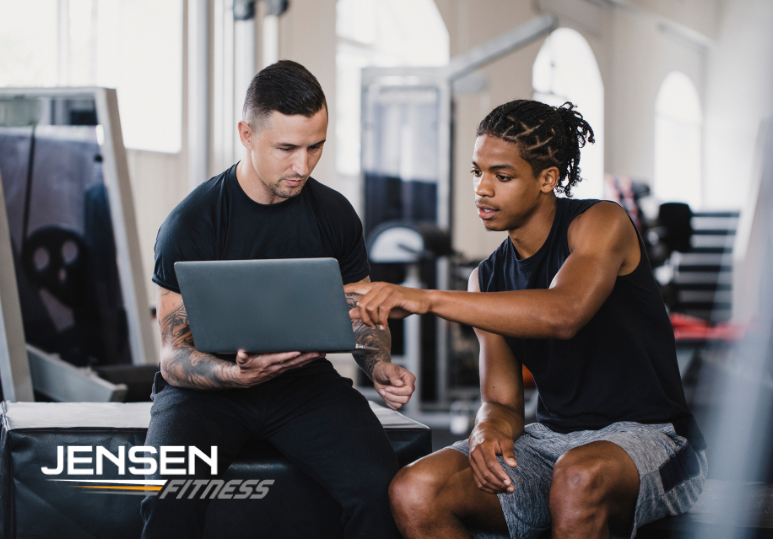
A coach can help determine how often you should train based on your current experience, schedule, and recovery.
You may begin with two or three strength sessions each week.
Your workouts might include movements such as:
- Squats
- Hinges
- Rows
- Presses
- Lunges
- Carries
- Core work
The exact exercises are less important than having a program that can progress over time.
That means gradually improving strength, technique, repetitions, resistance, or control.
Daily movement is also considered.
You do not need every part of your fitness routine to happen inside a gym.
Walking, taking stairs, moving during the workday, and increasing general activity can all contribute to overall fitness and weight management.
A personalized plan may include a realistic step or movement goal based on your current routine rather than choosing an arbitrary number.
Nutrition is another major part of the process.
A coach may look at meal timing, protein intake, fibre, hydration, portions, and how consistently you are eating.
The goal is usually not to create a rigid meal plan that you have to follow perfectly.
Instead, the focus is on giving meals enough structure to support energy, recovery, and appetite management.
A simple meal may include:
- Protein
- Vegetables
- Fibre-rich carbohydrates
- Healthy fats
Protein is often emphasized because it supports muscle recovery and can help meals feel more satisfying.
Protein sources may include:
- Eggs
- Greek yogurt
- Chicken
- Fish
- Cottage cheese
- Lean beef
- Tofu
- Beans
- Lentils
Carbohydrates are not automatically removed.
They can provide valuable energy, especially for women who strength train or stay active.
Foods such as oats, potatoes, rice, quinoa, fruit, and whole grains can all fit into a balanced routine.
Healthy fats also have a role.
Avocado, nuts, seeds, olive oil, and fatty fish can help create balanced meals.
The key is finding a way of eating that works in your real life.
A perfect meal plan is not useful if you cannot follow it.
A good coach may therefore help you plan around workdays, busy evenings, restaurants, weekends, travel, or family responsibilities.
That makes the plan more realistic.
ADJUSTING THE PLAN AS YOU CHANGE
A personalized wellness plan should never feel completely fixed.
Perimenopause is unpredictable.
Symptoms may change.
Sleep may improve or worsen.
Work schedules change.
Stress increases.
Energy fluctuates.
Your plan should be able to adapt.
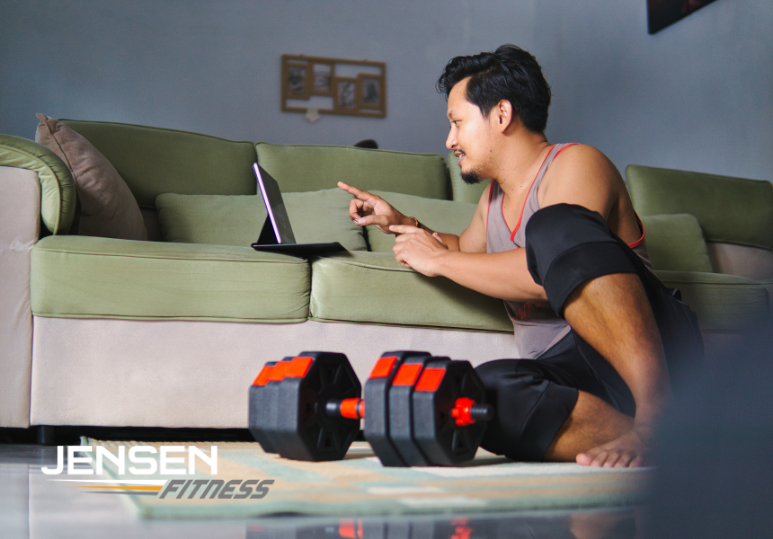
This is one of the biggest advantages of working with a coach.
Instead of assuming that every difficult week means the plan has failed, you can adjust based on what is happening.
If sleep has been poor, you might reduce workout intensity.
If energy has improved, you may be ready to progress your strength training.
If meals have become inconsistent, you can simplify nutrition before adding new goals.
If weight has stalled, your coach can look at the full routine instead of immediately cutting calories.
This helps prevent the all-or-nothing mindset that makes many wellness plans difficult to maintain.
Accountability also plays an important role.
Knowing what to do is often not the hardest part.
Doing it consistently is.
A coach can help you stay focused on the actions that matter most rather than becoming distracted by every new diet, supplement, or fitness trend.
Progress can also be measured in more than one way.
You may track:
- Strength
- Energy
- Sleep
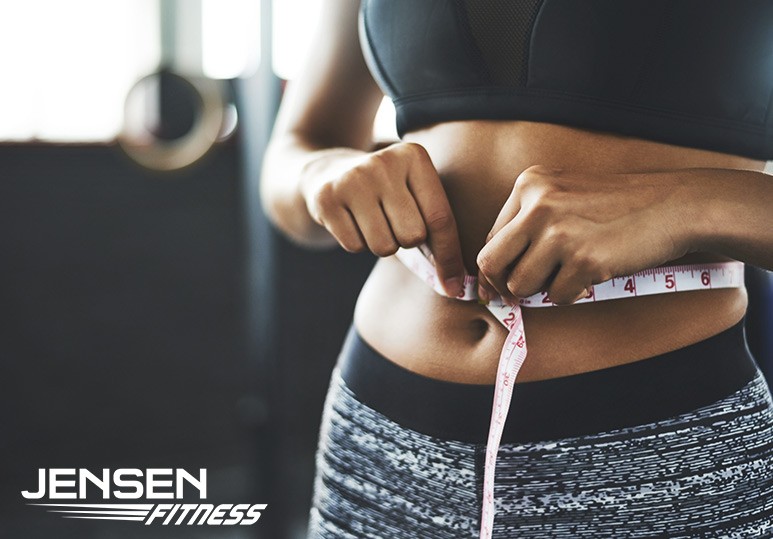
- Waist measurements
- Clothing fit
- Daily movement
- Meal consistency
- Workout performance
- Confidence
- Weight
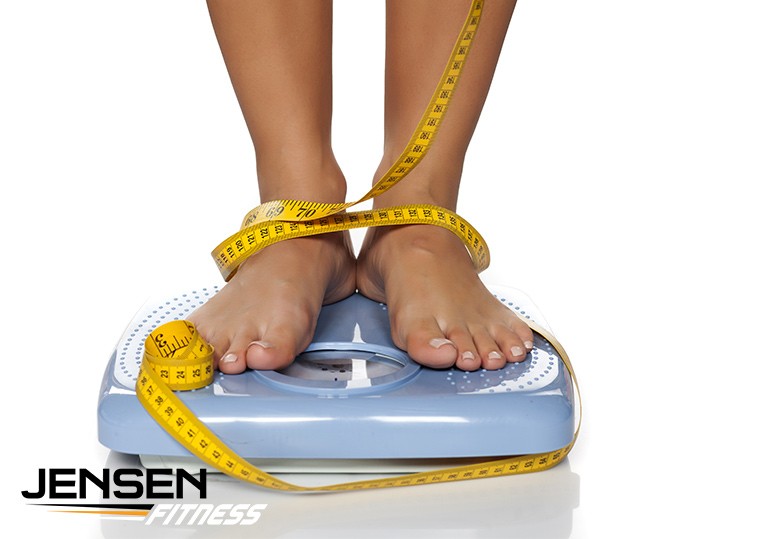
The scale can be useful, but it should not be the only measure of success.
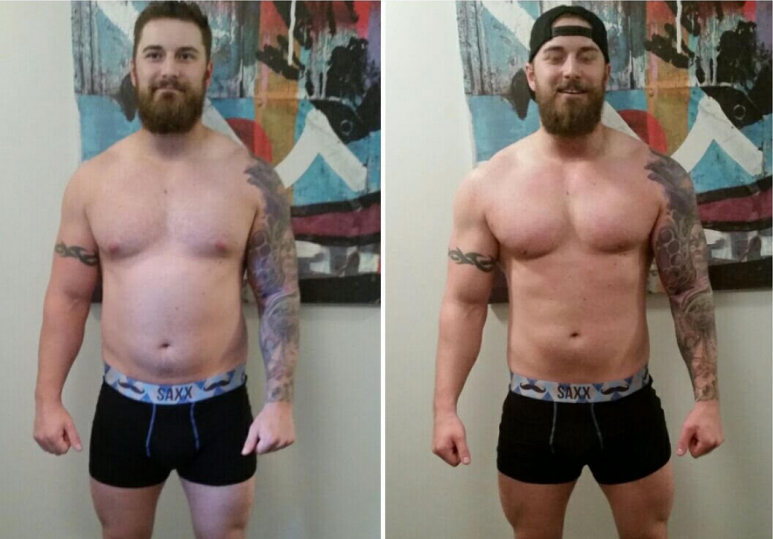
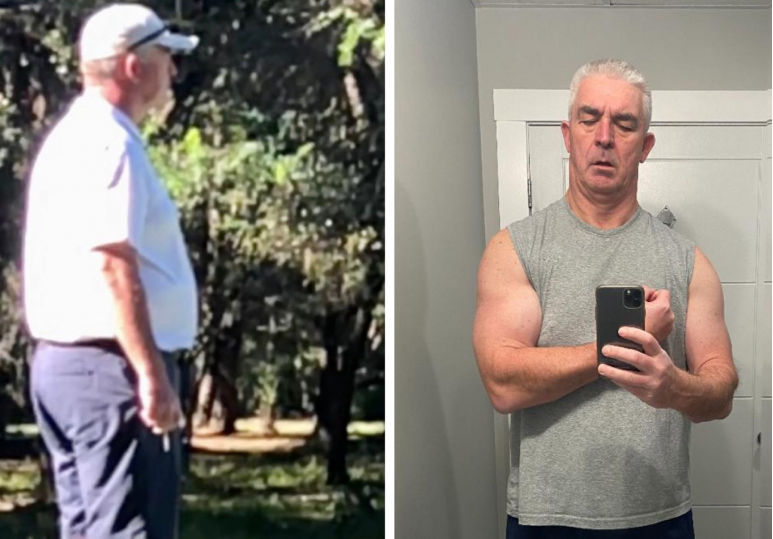
For example, you may notice that your weight changes slowly while your strength increases and your clothes fit differently.
That is still progress.
A personalized plan also helps you understand when to push and when to recover.
Some days you will feel strong.
Other days you may be tired, stressed, or dealing with symptoms.
Learning how to adjust without giving up is one of the most valuable parts of the process.
It is also important to understand the limits of coaching.
A perimenopause coach does not replace medical care.
Symptoms such as unusual bleeding, severe hot flashes, persistent pain, significant mood changes, or other concerning health changes should be discussed with an appropriate healthcare provider.
Coaching focuses on lifestyle support.
It can help you create better routines around exercise, nutrition, sleep, movement, recovery, and accountability while your healthcare provider addresses medical concerns.
At Jensen Fitness, we help women build personalized wellness plans that reflect their current bodies, lifestyles, symptoms, and goals.
The goal is not to create a perfect routine.
It is to create one that is realistic, flexible, and sustainable.
Perimenopause can make your body feel different, but that does not mean you have to guess your way through every change.
With the right structure, support, and adjustments, you can build a plan that helps you feel stronger, more consistent, and more confident throughout the transition.